



Yesterday Israel announced it carried out successful airstrikes killing the leader of the Basij paramilitary, Gholamreza Soleimani, and the Secretary of the Supreme National Security Council, Ali Larijani – the man who was de facto running the country since IAF's successful strikes took out most of Iran's leadership on February 28, including the Supreme Leader, Ali Khamenei.
While the opening to the war has succeeded at decimating the top brass, it's the killing of Larijani that is likely to have a bigger impact on the war's outcome.
Israeli-American strikes which kicked off the campaign more than two weeks ago were an enormous success, of course, and a painful strike at regime's heart, but they depended on the element of surprise.
In other words: it's hard to repeat it when the enemy knows they're under attack.
After the war had started you could be sure that the remaining leadership was going to run for cover and only appear in public surrounded by thousands of civilians, that neither Israel nor the US would be comfortable striking in broad daylight.
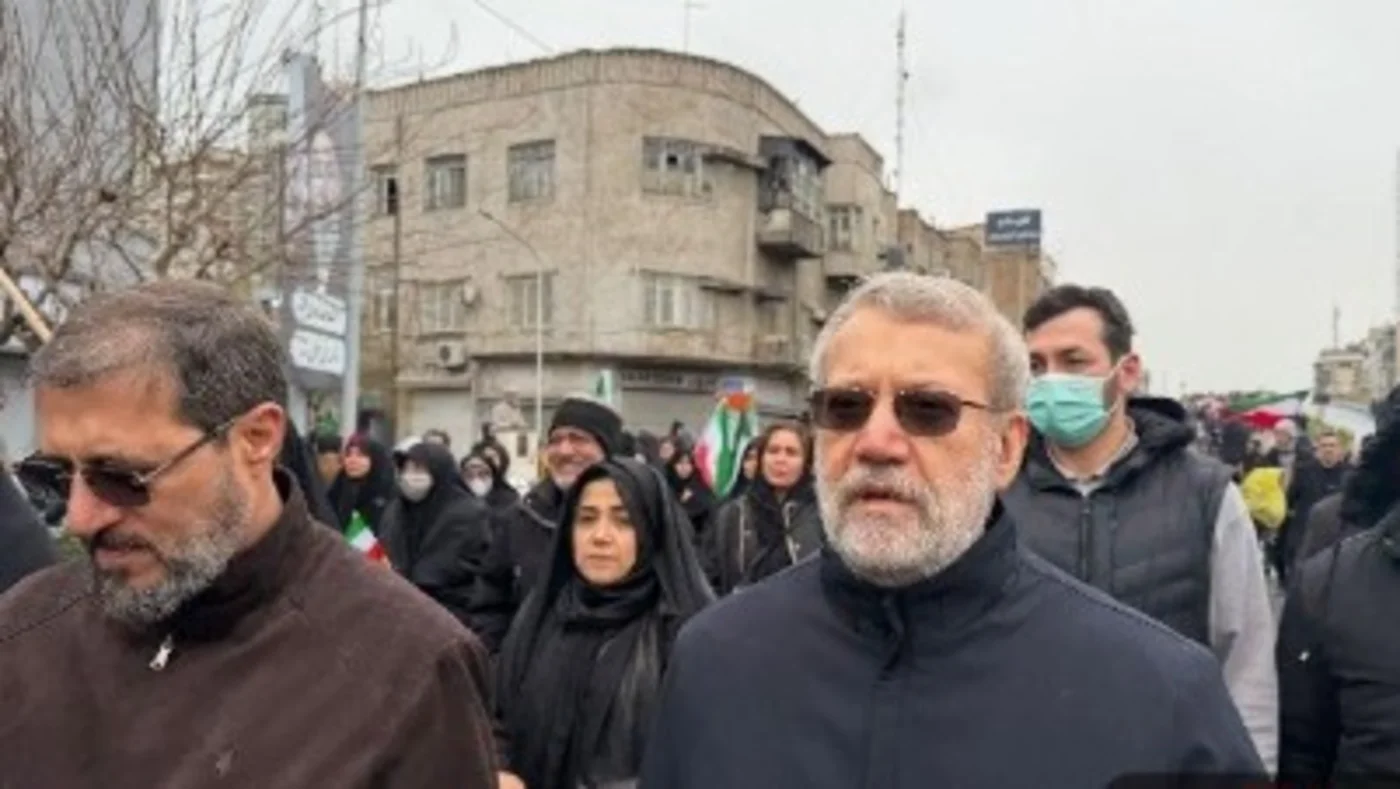
The new management could project an image of strength and control – important both domestically and abroad – while enjoying far better security, which would make any assassination attempts much harder.
People in Iran could see that their oppressors walked free through Tehran, even amid distant sounds of bombings, while the world saw an administration still in control of their country, despite American mockery comparing them to rats hiding in sewers.
The Quds Day was their success.
After the show was over they retreated to their hideouts, planning to wait out the worst in the hope that the public opinion in the US would eventually force Trump to find and off-ramp, before the regime can completely implode.
That's why it was so important to pierce the bubble they've coccooned themselves in.
Khamenei's assassination had a symbolic meaning but the man was 87 years old and surely didn't have much left. He is alleged to have often considered his own potential martyrdom and the state apparatus was prepared for any scenario regarding the transition of power (whether due to natural or unnatural causes).
What it surely has been less prepared for is the inability to protect the successors to maintain continuity of governance.
The killing of Larijani and Soleimani in the middle of the war – when security should be tightest – could rattle their successors and force them into concessions.
Israel was quick to announce that the assassination was made possible by Tehran's residents sending information that helped to identify Larijani's location.
This might be a diversionary tactic to stoke even more paranoia among Iran's leaders, while protecting informants who could actually be in the regime's inner circles. We will never know – and neither will the Iranians.
Unable to trust the public – or each other – the surviving leaders may consider seeking deescalation and ultimately accepting some form of political transition, given that their public defiance has backfired and they can no longer feel safe anywhere.
Khamenei was taken by surprise but Larijani – the top man in the country – was tracked down and killed when he shouldn't have been, casting doubt on the survivability of anybody who replaces him.
That's why his death could be the turning point of the war.


